

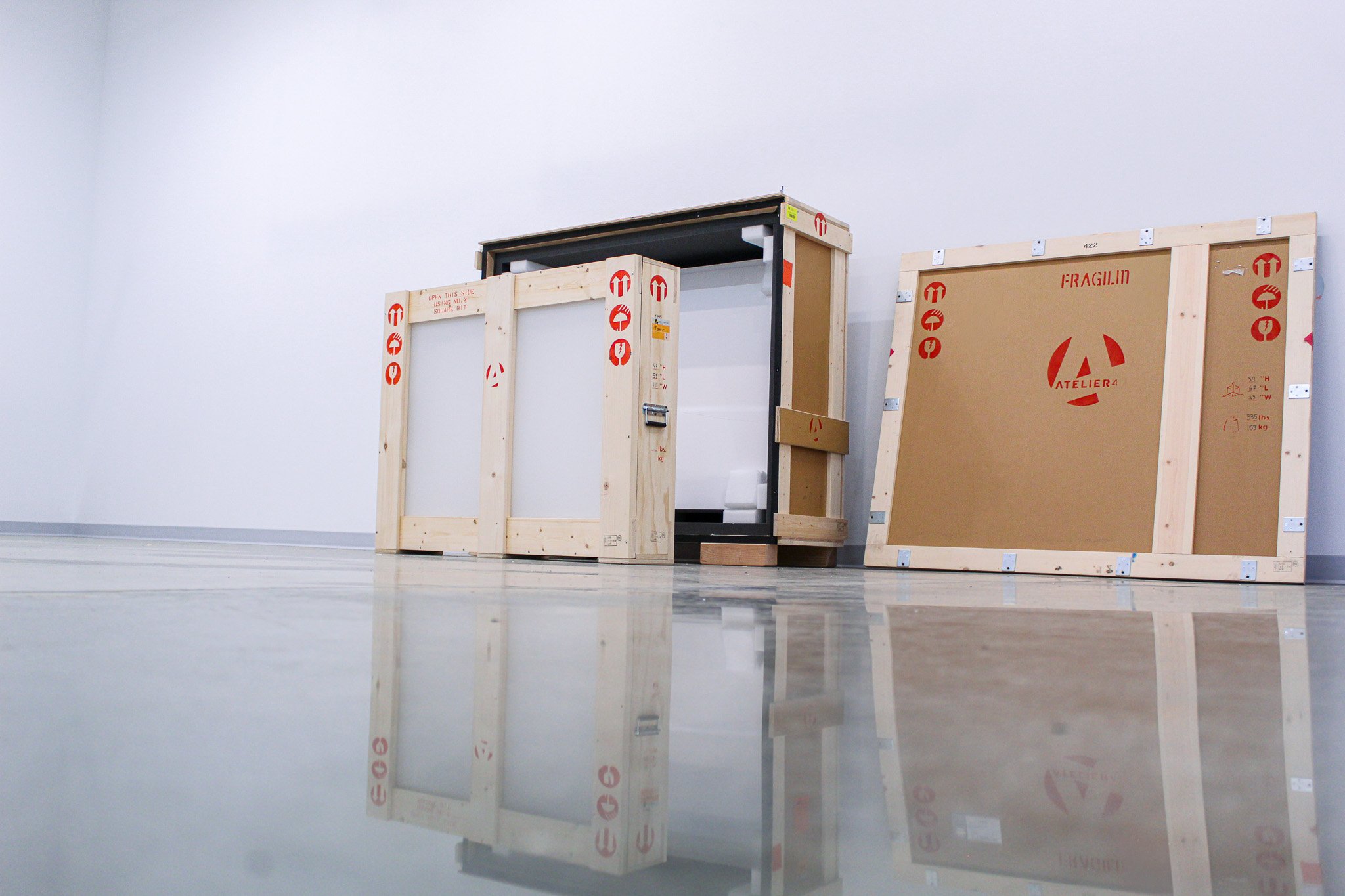
What Is Art Crating?
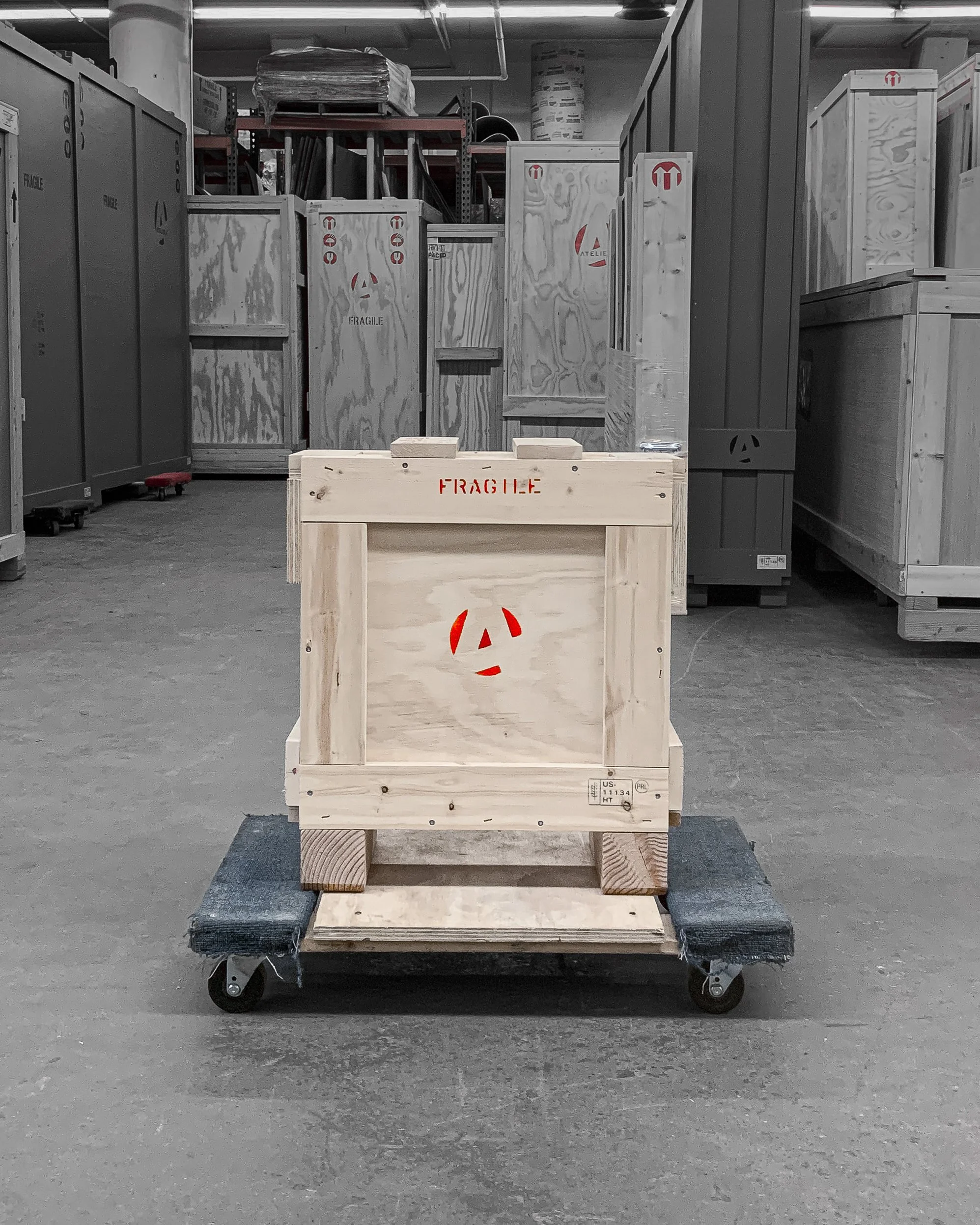
Art crating is the practice of building a wooden enclosure around one specific artwork, sized to that object and engineered to take the loading, the road vibration, the air freight, and the unloading so the work does not. Atelier 4 builds five configurations — travel frame, commercial, multiuse, museum, and slat — and all of them are stamped to ISPM-15 for export.
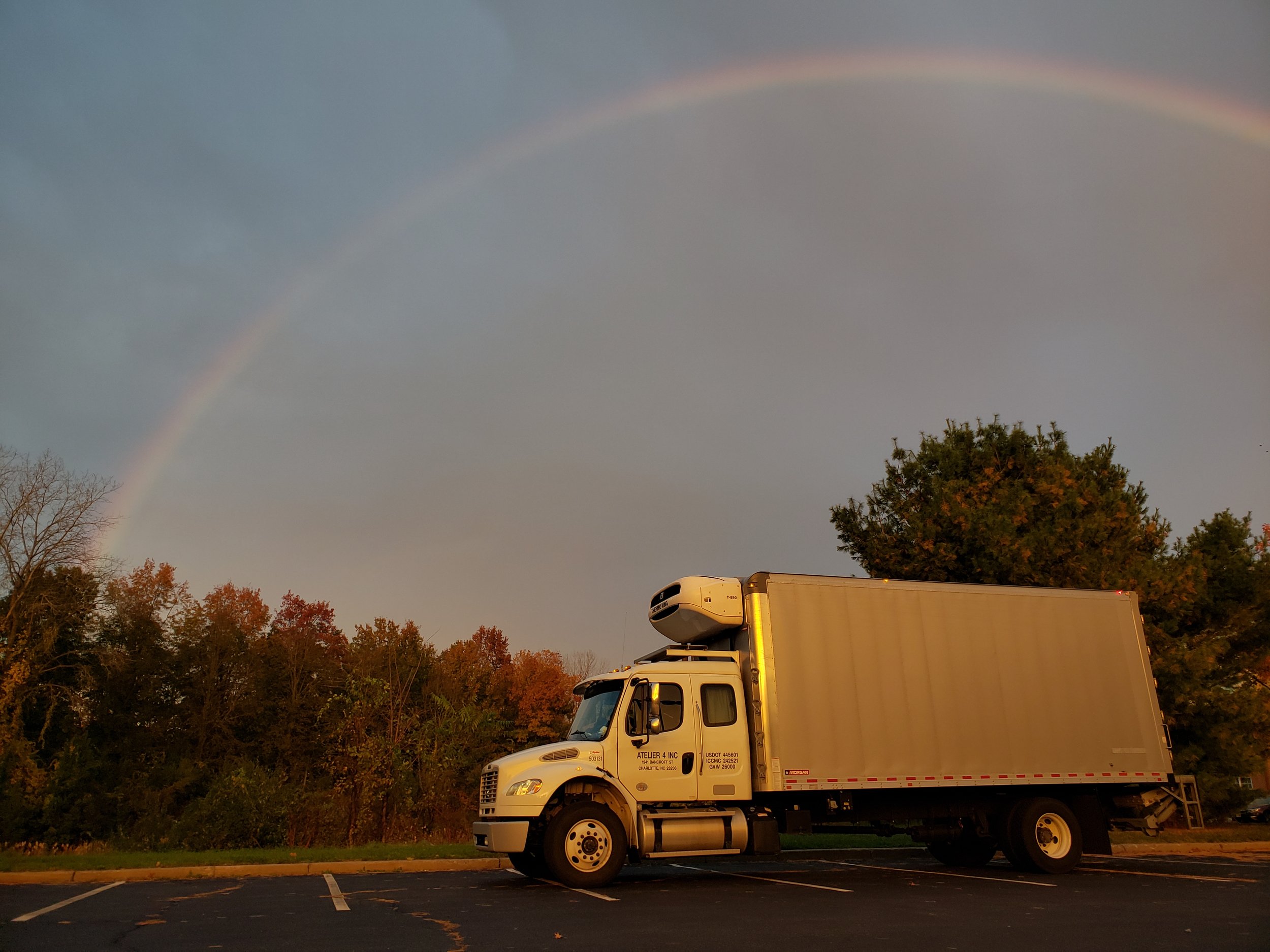
How to Ship Art Between North Carolina Museums
Moving a loan between Charlotte, the Triad and the Triangle: receiving windows, consolidated shuttles vs dedicated trucks, condition reporting, and what to send a shipper to get a real quote.
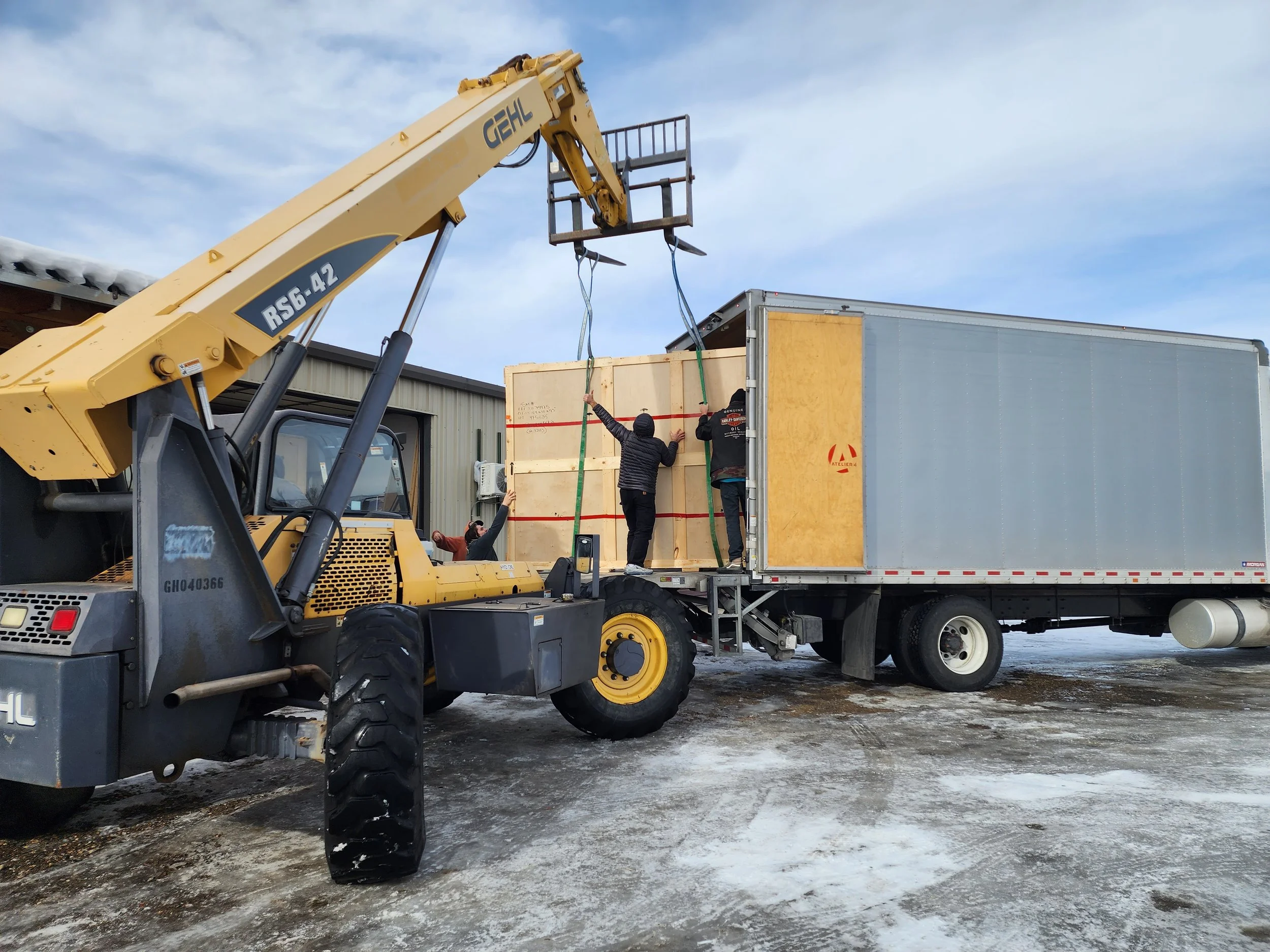
How to Choose an Art Shipping Company
When choosing an art shipping company, look for in-house trained art handlers rather than subcontractors, climate-controlled vehicles and storage, custom crating capability, sufficient fine-art insurance, in-house customs expertise for international moves, and industry credentials such as ICEFAT, IATA, and TSA certification. Ask for condition reporting, references, and a single point of contact.
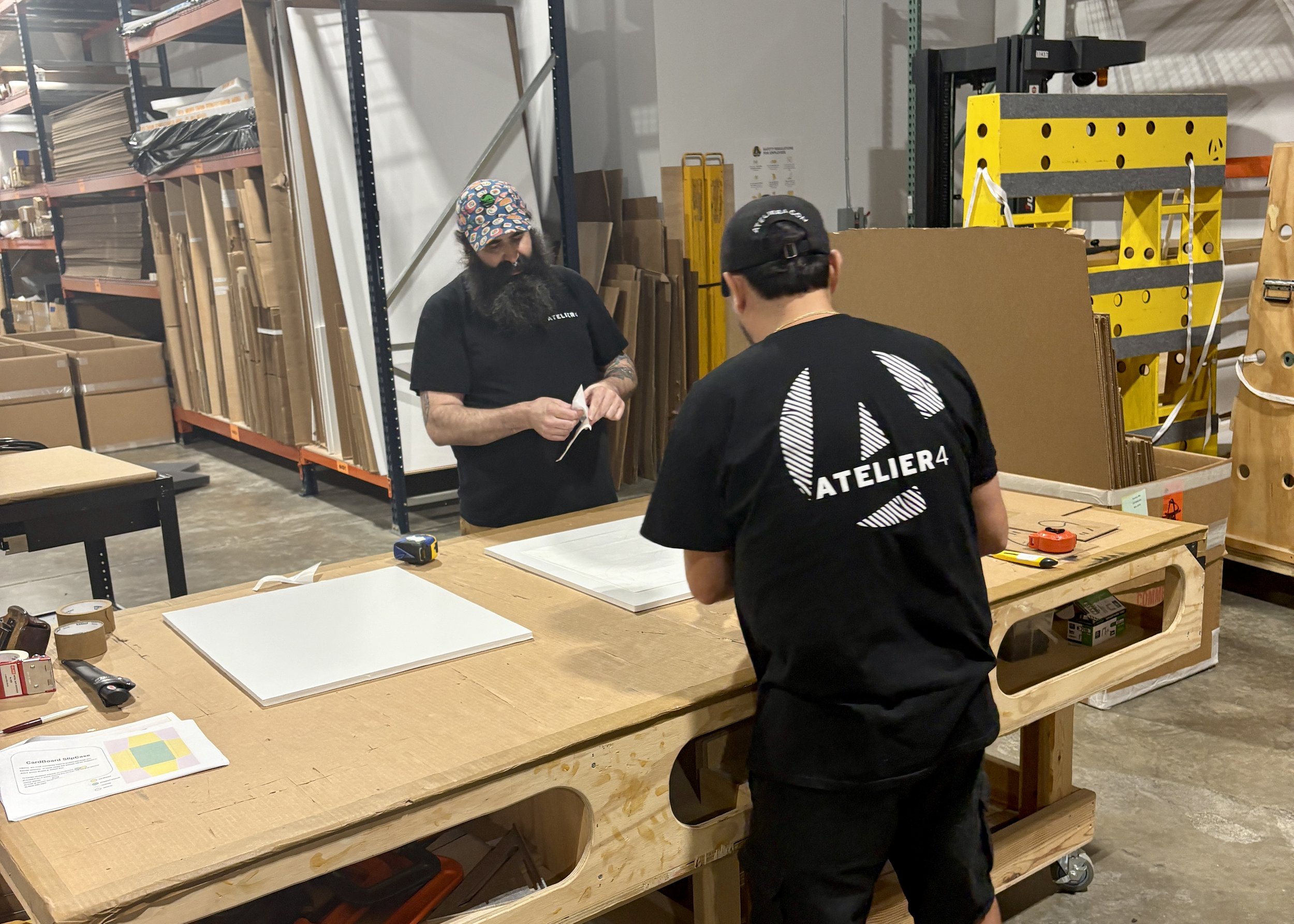
How to Ship a Painting Safely
To ship a painting safely: document its condition, wrap it in glassine (never bubble wrap against the surface), protect the corners, use a custom crate for valuable or fragile works, keep it upright and climate-stable in transit, and insure it for its full value. For irreplaceable works, use a professional fine art shipper.
Fine Art Shipping and Storage in New York City: Inside a 65,000-Square-Foot LIC Operation
New York City is home to more galleries, auction houses, and museum collections per square mile than anywhere in the country. Moving fine art through it — and out of it — requires infrastructure that standard freight carriers don't have and can't replicate.
Atelier 4 has operated in New York City since 1989. The Long Island City flagship, opened in 2014, is a 65,000-square-foot purpose-built facility housing climate-controlled vaults, an in-house crate fabrication shop, a viewing room, and the hub of a ten-route national shuttle network. That's not a marketing line. It's the physical fact of what fine art logistics at scale requires.

Hurricane Season Art Storage: Have a Plan Before the Storm Forms
Removal and storage of fine art, antiques, and artifacts in the event of an approaching storm should be a planning task, not an emergency response. Collectors, museums, historic sites, and galleries that fare best are the ones that planned and pre-arranged removal and storage. Owners of high-value tangible property who fail to plan are often left scrambling when a storm approaches, and more often are simply hoping for the best as the wind and rain take their toll.
Hurricane season runs from June through November, with peak activity from mid-August through October. If you're waiting for a named storm to start thinking about contingency plans for your most precious objects, your options will be significantly limited.
Fine Art Transportation and Storage: How It Actually Works
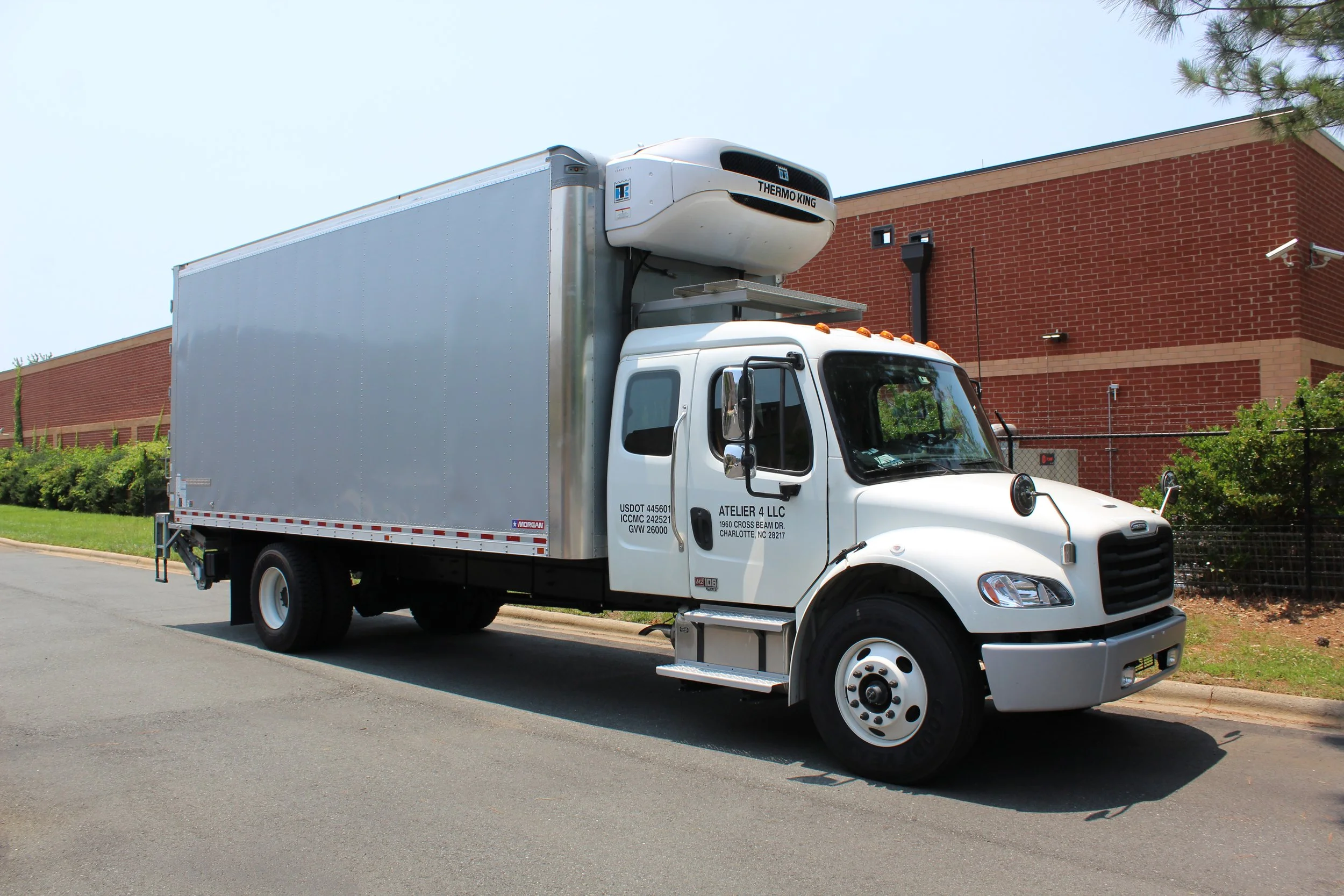
Fine art transportation, installation, and storage require more than careful handling — they require climate-controlled vehicles, trained art technicians, and storage designed and built to museum standards. Here's how it works.